
the window between 10 and 1
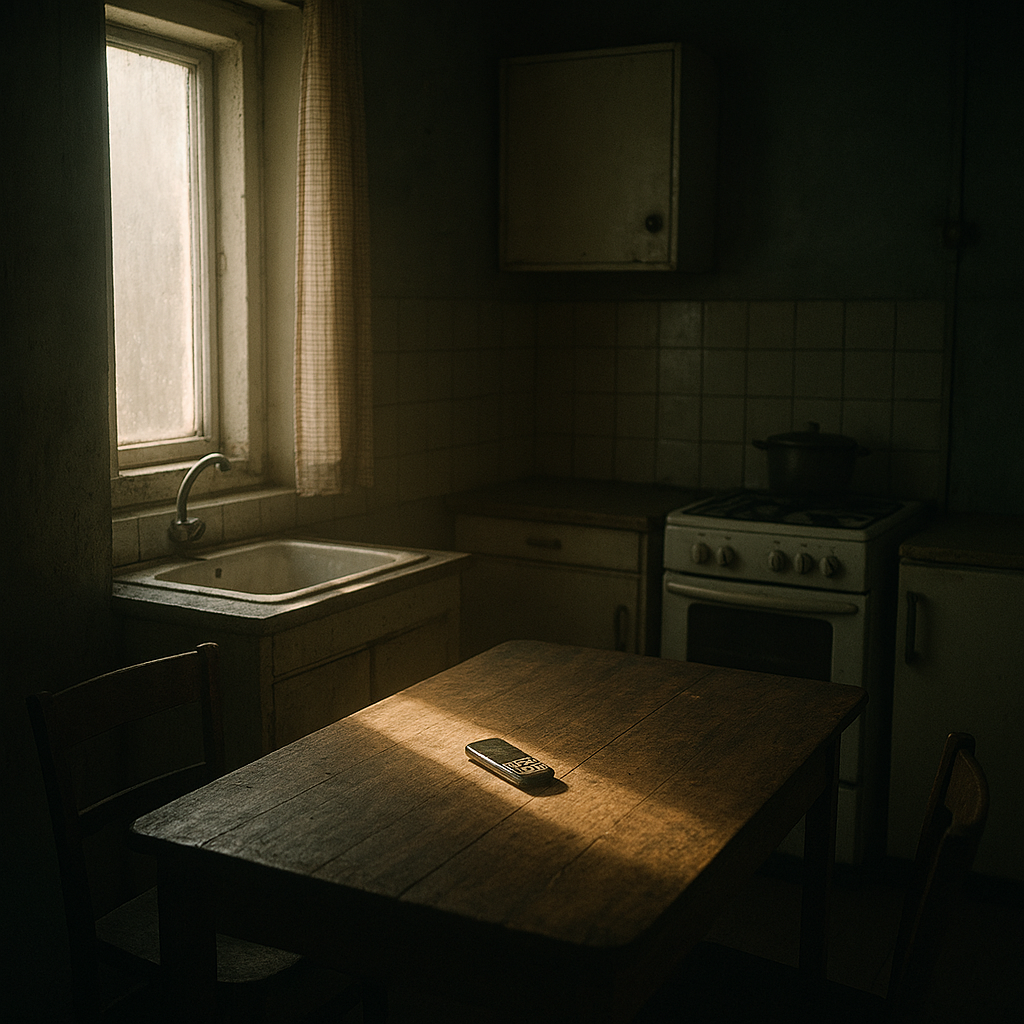
The minister is not sure what to make of the two women sitting across from him.
One is young and composed. The other is older, and her eyes are red and swollen in the way that only comes from crying the night before. Not this morning. Last night. She has had time to collect herself, but just barely.
The younger one does the talking.
The minister listens.
————————
Her name is Becky, and she has come to the church because she doesn't know where else to go. The receptionist, who happens to know Becky's daughter, brought them both back to the minister's office without an appointment, without a warning.
This is how it works here. People just appear. This is life in a mega church.
The minister has learned not to be surprised by it.
He has also learned not to be surprised by what they bring with them.
————————
What Becky brings with her today is this: a 71-year-old woman named Debbie who is a prisoner in her own home.
Not a metaphor. An actual prisoner.
Debbie's son is 42 years old, mentally impaired and beats her. Controls her. Decides when she can leave and when she can’t. The rule is simple: there must be a legitimate reason. Going to work at the school cafeteria qualifies. Wanting to breathe free air does not.
And Debbie loves him anyway.
Of course she does, the minister thinks. She is his mother.
————————
Becky has seen the bruises before. The black eyes. She noticed them and said nothing, or said something, or maybe just looked away.
She is not sure they were caused by Bob.
But she is not sure they weren't.
————————
The minister writes everything down. The names, the details, the window of time between ten in the morning and one in the afternoon — when Bob is at work and it would be safe, briefly, mercifully safe, to call Debbie on her cell.
No home phone. Too dangerous.
Becky says if the authorities tip Bob off — or remove him and then somehow allow him to return — he will hurt his mother.
She does not say "seriously hurt."
She says, "perhaps fatally."
The minister underlines that phrase.
————————
Somewhere in the middle of all this, Becky mentions the other thing.
Debbie called her last night not just about Bob.
The lender needs $2,000 by Thursday or the house goes to auction in September. Debbie can't get a loan on her own. She called Becky to ask if she would co-sign.
So here is a woman who is being beaten in her own home by her own child, who may lose that home by the end of summer, who nonetheless picks up the phone at night to call a friend — not to report the abuse, not to ask for rescue — but to try and save the house.
The house she is trapped in.
I do not have the words for this, the minister thinks.
He is right. He doesn't.
————————
Debbie is not here in the room. She is across town, probably in a kitchen or a living room, waiting for Bob to need something or do something or say something that determines the temperature of the afternoon.
But the minister can feel her presence anyway.
He has gotten good at that.
————————
At three o'clock he dials Adult Protective Services.
The number routes him to a different number. He dials that one too. He gives them what he has: the name, the situation, the window between ten and one. They listen. They ask questions.
They call Becky for more details.
And the minister sits in his office after hanging up, in the specific quiet that follows a call like that — a quiet that feels like the pause between lightning and thunder, when you are still counting, still waiting to find out how close it really was.
————————
He thinks about Debbie in her house.
He thinks about the bruises Becky noticed and didn't ask about.
He thinks about a 71-year-old woman working in a school cafeteria because it is one of the only acceptable reasons she is allowed to leave.
And he thinks about the fact that she said it herself, plainly, without drama: I just want him gone.
Five words. A whole life inside them.
————————
The minister is a man of faith.
He believes God sees Debbie in that house. He believes God sees the bruises. He believes the window between ten and one did not appear by accident — that Becky's daughter did not happen to know the receptionist by accident — that these two women did not end up in his office at two in the afternoon by accident.
He believes all of this.
And still.
The silence in the office after the call is enormous.
————————
He bows his head.
Not for long. Just long enough.
Then he picks up his pen and writes the incident report.
He documents everything: the names, the dates, the phone numbers and the referral. He writes it all down in the careful, bloodless language that official documents require.
He does not write down the part about Debbie loving her son anyway.
He does not write down the part about the house she is trying to save.
Some things are too human for a form.
He knows where those things go instead.
They go into the space between ten and one, where God, a phone call and a small window of safety are the only things standing between a woman and what happens next.
The minister closes the file.
And prays it is enough.
###